From Gila Venom to Ozempic: The History of GLP-1 Discovery

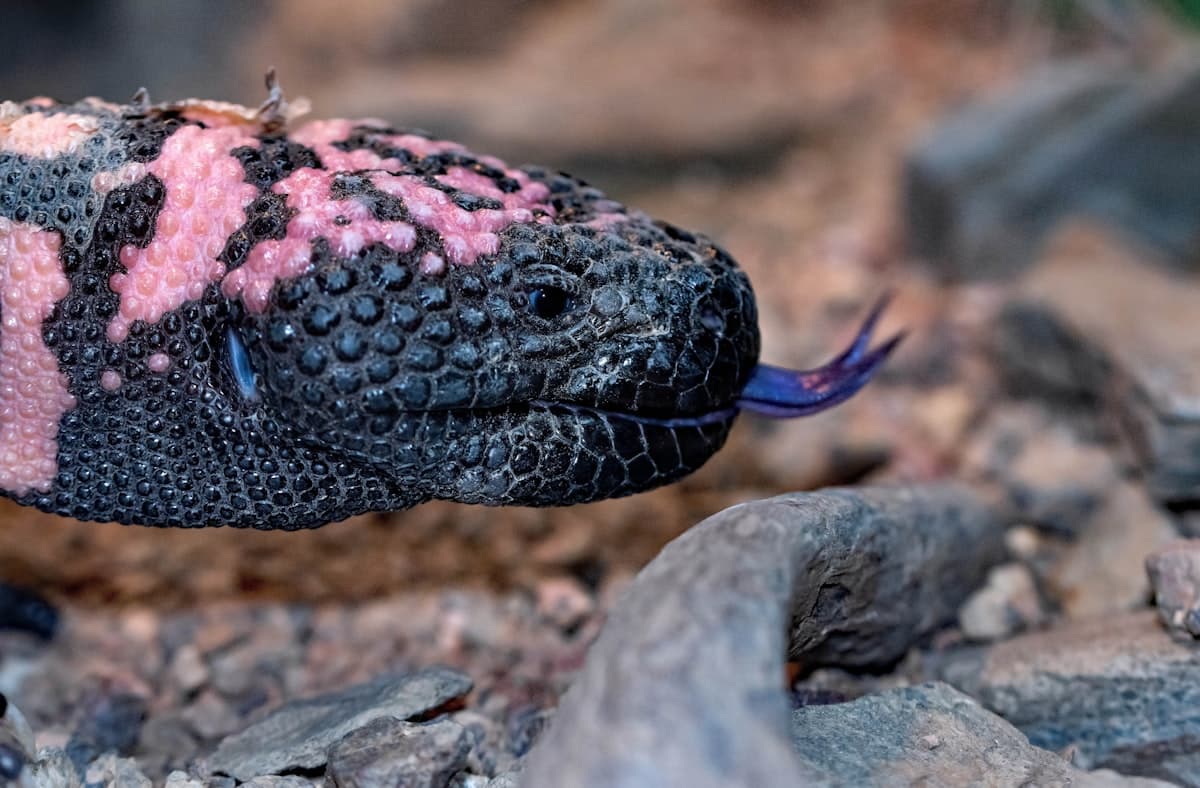
Picture the Sonora desert in Arizona. Temperatures exceed 40 degrees Celsius. A stocky, black-and-orange lizard drags itself across the scorching sand. This is the Gila monster — one of the few venomous lizards on the planet. For thousands of years its venom served one purpose: defense. Nobody suspected that a peptide hidden in that venom would reshape modern medicine and become the foundation of the most talked-about drug in the world.
The story of semaglutide — the active ingredient in Ozempic and Wegovy — is a tale of scientific curiosity, rejected ideas, and incremental breakthroughs that took more than a century to converge. If you work with clients who ask about these drugs, it is worth knowing the full story from the beginning. It will help you have conversations grounded in facts rather than social media headlines.
The lizard that changed medicine
The Gila monster (Heloderma suspectum) is a lizard that grows up to 60 cm in length. It lives in the desert regions of the southwestern United States and northern Mexico. Unlike snakes that inject venom through fangs, the Gila monster delivers toxin through grooves in its lower jaw teeth. Its bite is painful but rarely fatal to humans. This remarkable lizard caught the attention of endocrinologist John Eng.
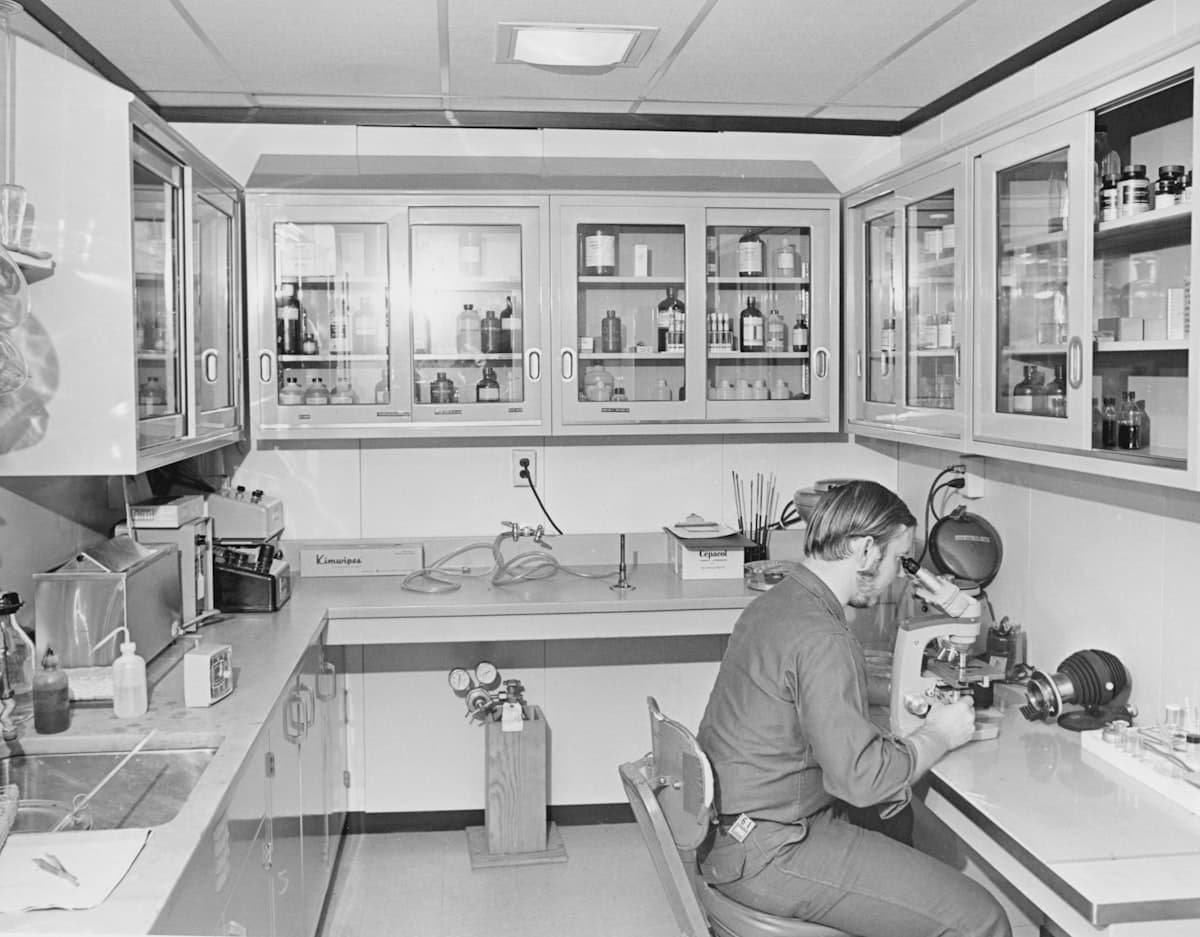
In 1992 Eng was working at the Veterans Affairs Medical Center in New York. He was studying the venom composition of various reptiles, looking for substances that affect the pancreas. In Gila monster venom he found a peptide he named exendin-4. The molecule shared 53% structural similarity with the human hormone GLP-1 (glucagon-like peptide-1), but it had one crucial advantage.
Human GLP-1 breaks down in the body within just 2 minutes. The enzyme DPP-4 destroys it almost immediately after secretion. Exendin-4 from Gila venom was resistant to this enzyme. Its half-life measured in hours rather than minutes. For researchers this meant one thing: it was possible to create a drug that mimics the natural hormone but lasts long enough to be clinically meaningful.
The path from discovery to application was far from straightforward. Eng filed a patent in 1993, but the scientific community reacted with skepticism. The idea that lizard venom could help treat diabetes sounded like science fiction. The National Institutes of Health declined to fund further research. Eng had to seek support from the private sector. It took a decade before his work began producing concrete results.
From gut hormone to pharmacological breakthrough
To understand the significance of Eng's discovery, you need to go back several decades. The story begins in 1902 when British physiologists William Bayliss and Ernest Starling discovered secretin — the first known hormone. They demonstrated that the intestines release chemical substances that control the function of other organs. This was the birth of endocrinology as a science.
In the 1960s researchers noticed a curious phenomenon. Glucose administered orally triggered significantly greater insulin secretion than the same amount of glucose given intravenously. The difference amounted to as much as 50–70% additional insulin response. This meant the gut was releasing something that amplifies the insulin response. They called this the incretin effect, and the sought-after substances became known as incretins.
In 1983 Svetlana Mojsov at Massachusetts General Hospital isolated GLP-1 and demonstrated its ability to stimulate insulin secretion. Further studies confirmed that GLP-1 performs multiple functions simultaneously. It slows gastric emptying, prolonging the feeling of fullness after meals. It suppresses appetite through direct action on the brain's satiety center. It inhibits glucagon secretion, which raises blood sugar levels. It was a hormone with a perfect profile for treating both diabetes and obesity.
The problem was obvious: how do you deliver a hormone that disintegrates in 2 minutes. An oral tablet was out of the question — DPP-4 destroyed GLP-1 before it could act. Even a subcutaneous injection would produce effects lasting only minutes. Continuous intravenous infusion worked in the lab but was impractical for patients. Researchers needed a molecule that acts like GLP-1 but survives far longer in the body.
And that is exactly where we return to John Eng and his desert lizard.
The pharmaceutical race: from exenatide to semaglutide
The first drug based on Eng's discovery was exenatide (brand name: Byetta). The FDA approved it in April 2005 for type 2 diabetes. It was a synthetic version of exendin-4 from Gila monster venom. It required two injections per day and had moderate efficacy, but it proved a crucial point: GLP-1 receptor agonists work in humans. Patients not only controlled glucose better but also lost weight.
Danish pharmaceutical giant Novo Nordisk was simultaneously pursuing a different strategy. Rather than copying a lizard venom peptide, their scientists modified human GLP-1 itself. In 2010 they introduced liraglutide (Victoza) — a modified version of GLP-1 with a half-life of 13 hours. Patients took one injection daily. In 2014 a higher dose of liraglutide entered the market as Saxenda — the first official obesity indication for a GLP-1 agonist.
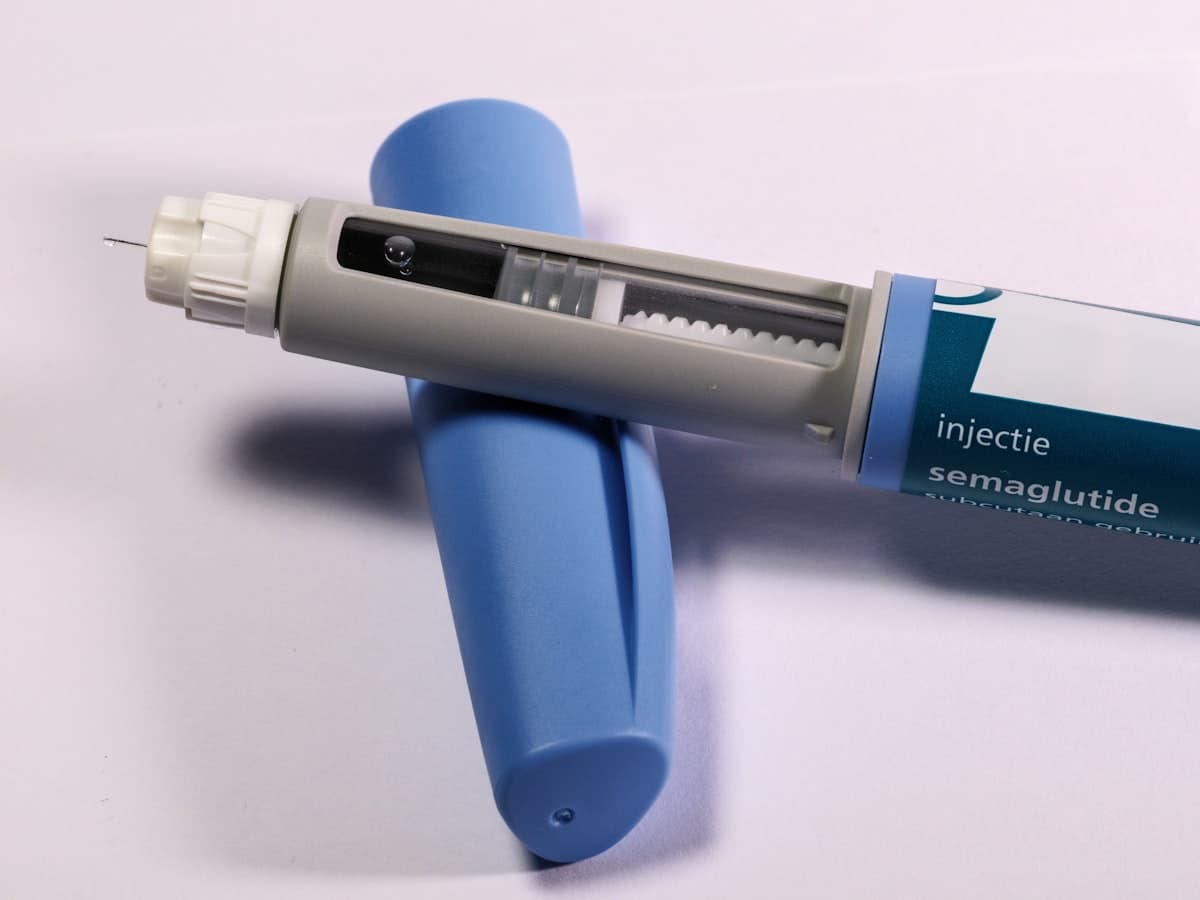
But the real breakthrough came with semaglutide. Novo Nordisk engineers applied three key modifications to the GLP-1 molecule. First, they substituted one amino acid (alanine for alpha-aminobutyric acid at position 8) to make the molecule resistant to DPP-4. Second, they attached a C-18 fatty acid chain that binds semaglutide to albumin in the blood and protects it from renal filtration. Third, they used a mini-PEG-based linker that ensures optimal spatial orientation of the molecule relative to the receptor.
The result was spectacular. Semaglutide's half-life reaches approximately 160 hours — nearly 7 days. This meant patients needed only one injection per week. Compare that with the 2-minute half-life of natural GLP-1 and you see how far molecular engineering has come. One weekly injection instead of continuous infusion — a change that opened the door to mass adoption of the drug.
Key dates on the timeline
- 1902 — Bayliss and Starling discover secretin, the first hormone
- 1960s — The incretin effect is described
- 1983 — Svetlana Mojsov isolates GLP-1 and confirms its insulinotropic action
- 1992 — John Eng discovers exendin-4 in Gila monster venom
- 2005 — FDA approves exenatide (Byetta) — the first GLP-1 receptor agonist
- 2010 — Liraglutide (Victoza) enters the market with once-daily dosing
- 2014 — Saxenda (liraglutide 3.0 mg) — first official obesity indication
- 2017 — Semaglutide (Ozempic) approved for type 2 diabetes
- 2021 — Higher-dose semaglutide (Wegovy) approved for obesity
- 2023–2025 — Global demand explosion, drug shortages, public debate
Ozempic, Wegovy, and a global phenomenon
In December 2017 the FDA approved Ozempic (semaglutide 1 mg weekly) for type 2 diabetes. Clinical trial results were compelling: patients lost an average of 5–7% of body weight as a side effect of diabetes treatment. Physicians quickly recognized the potential and began prescribing the drug off-label.
In June 2021 the FDA approved Wegovy — the same semaglutide but at a higher dose of 2.4 mg, specifically for obesity treatment. The STEP 1 trial showed patients lost an average of 14.9% of body weight over 68 weeks. This was a result previously unachievable with any pharmacological intervention. For comparison, earlier weight-loss drugs produced losses of just 3–5%. The STEP 2 trial confirmed efficacy in patients with both diabetes and obesity.
What followed went far beyond medicine. Celebrities began openly discussing their semaglutide use. On TikTok the hashtag #Ozempic gathered billions of views. Media outlets described a global phenomenon of injection-assisted weight loss. Demand outstripped Novo Nordisk's production capacity, leading to global drug shortages in 2023 and 2024. Diabetes patients struggled to access their medication because pharmacies were selling it to people who wanted to lose weight.
The numbers speak for themselves. In 2023 Novo Nordisk became the most valuable company in Europe, overtaking LVMH with a valuation exceeding 400 billion dollars. Annual semaglutide sales exceeded 18 billion dollars in 2023 alone. Goldman Sachs estimated that by 2030 the GLP-1 drug market will reach 100 billion dollars annually. Eli Lilly launched the competing tirzepatide (Mounjaro/Zepbound), which acts on two receptors simultaneously (GLP-1 and GIP).
The impact reached well beyond pharmacies. Grocery chains like Walmart reported declining sales of high-calorie snacks in markets with high semaglutide penetration. Confectionery companies began publicly warning investors about the impact of GLP-1 drugs on demand for their products. The fitness industry felt the changes too — some clients started viewing exercise as less necessary now that a "weight-loss injection" exists. Gym chains in the US reported declining new memberships in regions with the highest rates of semaglutide prescriptions.
In 2024 global sales of GLP-1-based drugs exceeded 50 billion dollars — more than the annual revenue of many countries.
What an injection cannot fix
Semaglutide is not a magic pill. Studies show that after discontinuing the drug, patients regain an average of two-thirds of the lost weight within 12 months. The STEP 1 Extension trial showed that one year after ending therapy, patients returned to nearly their starting body weight. The drug does not build muscle mass — quite the opposite. Part of the lost weight is muscle tissue (up to 25–40% in some studies). This phenomenon is known as "Ozempic face" — the loss of fat and muscle tissue from the face causes visible aging of features.
That is why physicians increasingly emphasize that semaglutide should accompany resistance training and adequate protein intake, not replace them. The American Endocrine Society recommends that patients on GLP-1 drugs perform strength training at least 2–3 times per week.
This is precisely the point where a personal trainer becomes indispensable. A client on semaglutide needs a training program that protects muscle mass during weight loss. They also need guidance on adequate protein intake (research suggests 1.2–1.6 g per kilogram of body weight daily for this group). Understanding the GLP-1 mechanism lets you have informed conversations with your clients and position training as an essential complement to therapy, not its alternative.
Summary: from venom to knowledge
The GLP-1 story spans more than 120 years of research — from the discovery of the first hormone in 1902, through the fascination with lizard venom in the 1990s, to semaglutide generating more revenue in 2024 than the GDP of many nations. This story shows that groundbreaking discoveries often begin where no one thinks to look.
As a fitness professional you do not need to be a pharmacologist. But knowing the basics of how GLP-1 works lets you better understand the needs of clients who use these drugs. It lets you build trust through informed conversation rather than TikTok opinions. And above all it lets you demonstrate that strength training and proper nutrition are not competition for semaglutide — they are its most important partner.