GLP-1 Side Effects: What 3 Years of Clinical Data Show

Your client walks into the session and says: "I keep feeling nauseous, I think I overdid it with the weights yesterday." You review the program, check their recovery — everything looks fine. Then they drop it casually: "Oh, and I started Ozempic a month ago." Suddenly it all makes sense. That nausea has nothing to do with overtraining.
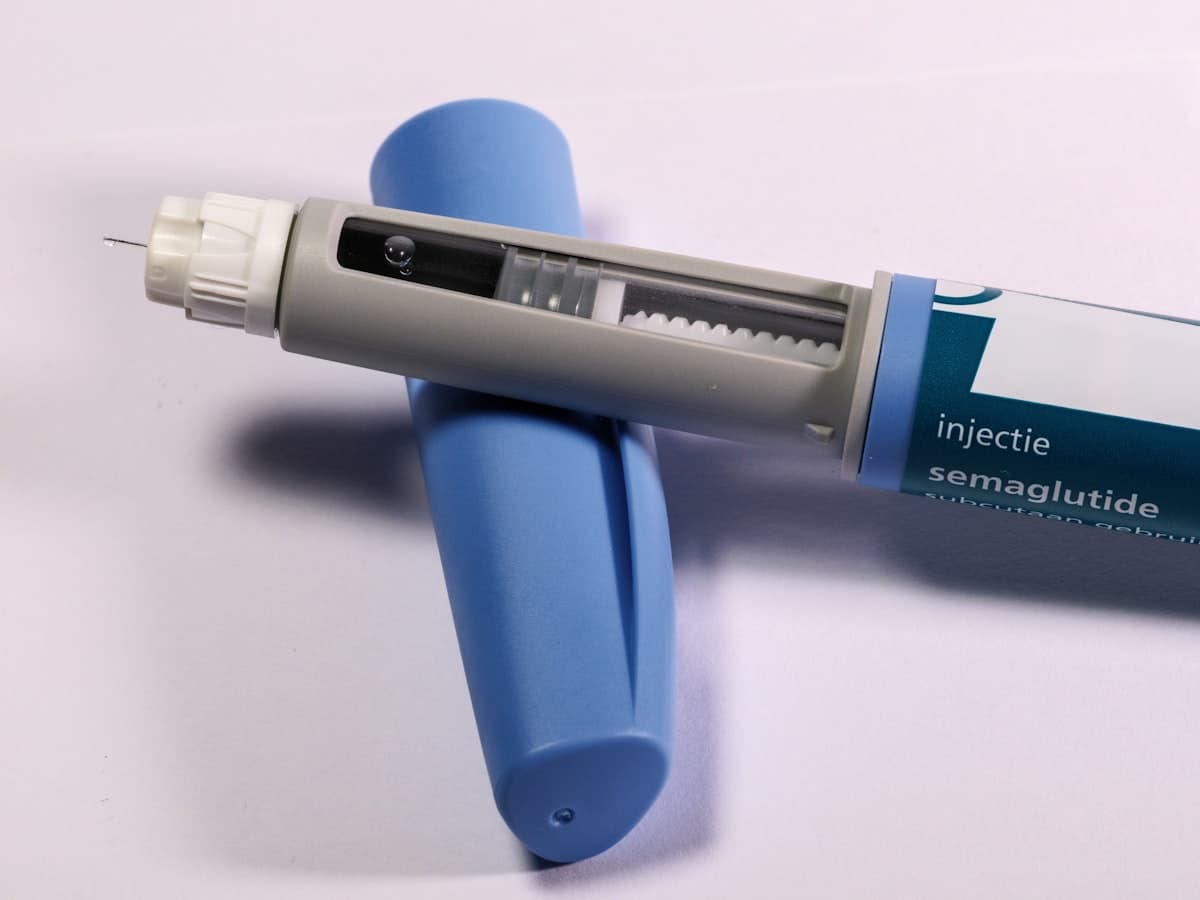
GLP-1 receptor agonists — semaglutide (Ozempic, Wegovy) and tirzepatide (Mounjaro) — are reshaping the obesity treatment landscape. By 2025, over 25 million people worldwide were using these medications. Some of your clients probably are too. As a trainer, you need to understand not just how these drugs work, but the side effects your clients live with every day.
In this article, we walk through data from the STEP, SURMOUNT, and SELECT clinical trials. You will see what the numbers actually say — not the tabloid headlines.
Most common side effects: the GI tract takes the hit
If you remember one thing from this article, make it this: GLP-1 side effects primarily affect the gastrointestinal system. Data from the STEP program (semaglutide 2.4 mg) makes this crystal clear.
Here are the most frequently reported symptoms from STEP 1-4 trials:
- Nausea — 40-44% of patients (vs. 15-17% on placebo)
- Diarrhea — approximately 30% of patients
- Vomiting — approximately 24% of patients
- Constipation — approximately 24% of patients
- Abdominal pain — 10-15% of patients
The numbers are striking. Nearly one in two patients experiences nausea. But context matters: most of these symptoms are mild to moderate in severity. In the STEP trials, only 4.5% of participants discontinued treatment due to gastrointestinal adverse events.
Why the GI tract specifically? The mechanism is straightforward. GLP-1 slows gastric emptying — a gastroparesis-like effect. Food stays in the stomach longer, creating a sense of fullness but also nausea. The body needs time to adjust. That is why dosing increases gradually — from 0.25 mg to the target 2.4 mg of semaglutide — over 16-20 weeks.
Key information for you: nausea peaks during dose escalation phases. Then it fades. If your client is in the first 4-8 weeks of treatment, their stomach issues will likely pass. But right now, they affect their ability to train.
Tirzepatide (a dual GIP/GLP-1 agonist) from the SURMOUNT trials shows a similar profile, though nausea is somewhat less frequent — 24-33% depending on the dose. That is still significant, but the trend is the same: symptoms are worst at the start, then ease off.
It is also worth mentioning less obvious GI symptoms. Gastroesophageal reflux affects 5-10% of people on semaglutide. Bloating and excessive gas are reported by an additional 8-12% of patients. These symptoms rarely make headlines, but your clients may bring them up. For them, it is a real inconvenience that affects training comfort.
What the SELECT trial says about the heart
The SELECT trial is a landmark in GLP-1 agonist history. Published in the New England Journal of Medicine in 2023, it enrolled 17,604 participants with overweight or obesity and established cardiovascular disease — but without diabetes. The median follow-up period exceeded 3 years (39.8 months).
The result? Semaglutide 2.4 mg reduced the risk of major adverse cardiovascular events (MACE — cardiovascular death, heart attack, stroke) by 20% compared to placebo (HR 0.80; 95% CI 0.72-0.90).
In the SELECT trial involving 17,604 participants, semaglutide reduced the risk of major adverse cardiovascular events by 20% over more than 3 years of follow-up.
This was the first time a GLP-1 agonist demonstrated cardiovascular benefits in people without diabetes. Earlier trials (SUSTAIN-6, PIONEER-6) focused on patients with type 2 diabetes. SELECT moved the conversation to an entirely new level.
Why does this matter to you? Because many of your clients with excess weight also have elevated cardiovascular risk. Knowing that their medication not only helps them lose weight but also protects their heart changes the conversation. This is not about a "magic weight loss pill." It is about a drug with proven cardiovascular benefit.
Notably, the cardiovascular safety profile in SELECT was consistent across all subgroups — regardless of sex, age, BMI, or prior cardiac events. That is a solid evidence base.
SELECT data also showed a reduction in inflammatory markers (CRP) by over 35% and improvement in lipid profiles. Systolic blood pressure dropped by an average of 3.5 mmHg more than placebo. This is important context for you — a client on semaglutide may have lower blood pressure than you expect. Monitor their response to exertion, especially during position changes.
Serious concerns: pancreas, gallbladder, thyroid
Now for the harder part. Alongside mild GI symptoms, there are more serious concerns you should know about. Not to scare your clients, but to understand the boundaries of your role.
Pancreatitis. In clinical trials, the risk of acute pancreatitis was slightly elevated in the semaglutide group — approximately 0.2% vs. 0.1% on placebo. It is a rare event, but a serious one. Symptoms include severe upper abdominal pain radiating to the back. If a client reports this kind of pain, do not assess it yourself — refer them to a doctor immediately.
Gallstones (cholelithiasis). This is less about the drug itself and more about rapid weight loss. In the STEP trials, approximately 2.6% of patients on semaglutide experienced gallbladder-related events vs. 1.2% on placebo. The mechanism has been known for years — rapid weight loss increases cholesterol concentration in bile. The same applies to bariatric surgery and restrictive diets.
Thyroid tumors — C-cells. In preclinical studies on rodents, GLP-1 agonists caused C-cell thyroid tumors (medullary thyroid carcinoma). This is a serious finding, but rodents have significantly more GLP-1 receptors on C-cells than humans do. In multi-year clinical trials involving thousands of people, this risk has not been confirmed.
Nevertheless, the FDA and EMA maintain a contraindication: people with MEN2 syndrome (multiple endocrine neoplasia type 2) or familial medullary thyroid carcinoma should not use these drugs. This is a standard precautionary approach.
The rule for trainers is simple: do not diagnose, do not interpret, do not downplay. If a client reports anything beyond mild nausea or fatigue — refer them to their prescribing physician.
There is also the question of muscle mass loss. In the STEP trials, participants lost an average of 15-17% of body weight, of which approximately 25-40% was lean mass. This is a serious challenge for trainers. Your role in preserving your client's muscle mass on GLP-1 is critical. Resistance training 3-4 times per week with progressive overload is not optional — it is a necessity.
Psychiatric effects and impact on addictions
This is the newest and most intriguing branch of GLP-1 research. In 2024 and 2025, data emerged suggesting that GLP-1 agonists may influence addictive behaviors. Patients reported reduced alcohol cravings, less desire to smoke, and even a reduction in compulsive eating behaviors beyond the typical appetite suppression.
GLP-1 receptors are found not only in the pancreas and GI tract but also in the brain — in the nucleus accumbens, which governs the reward system. Preliminary animal studies and retrospective analyses of clinical data suggest that semaglutide may modulate dopaminergic pathways.
However, there is another side to the story. The EMA and FDA are monitoring reports of suicidal ideation and depressive episodes in people using GLP-1 agonists. So far, the data do not show a causal relationship — in the SELECT trial, the frequency of psychiatric events was comparable between the semaglutide and placebo groups. But regulators remain vigilant.
For you as a trainer, this knowledge means one thing: pay attention to mood changes in clients using GLP-1 medications. You do not need to be a psychologist. It is enough to notice when someone loses motivation in a way that does not fit their usual pattern. In such cases, a gentle conversation and a suggestion to consult their doctor is the right response.
An interesting thread also concerns the relationship with food. Some patients report that eating stops being enjoyable — not just decreased appetite, but a loss of satisfaction from meals. For people with emotional eating patterns, this can be a relief. But for others, it leads to a sense of emptiness and frustration. Trainers working with such clients should be sensitive to these signals.
What this means for your training practice
Let us move from theory to your training floor. Here are the signals that should raise a red flag.
Nausea before or during training. At a 40-44% incidence rate, this is the most common issue. The solution: avoid training on a full stomach. Schedule sessions at least 2-3 hours after a meal. Limit exercises in supine or inverted positions that increase intra-abdominal pressure.
Reduced appetite and low calorie intake. GLP-1 agonists reduce appetite by an average of 25-35%. Some clients may eat too little to support resistance training. Monitor their energy during sessions. If you see strength drops, recovery issues, or frequent dizziness — check whether they are eating enough. A target protein intake of 1.6-2.2 g/kg is critical to limiting muscle mass loss.
Dehydration. Vomiting and diarrhea are a recipe for dehydration. Add intense training and you have a problem. Remind your clients to drink water — at least 2.5 liters daily, more on training days. Watch for signs of dehydration: dry mouth, dark urine, decreased performance.
Fatigue and reduced performance. During the dose titration phase (first 16-20 weeks), the body is adapting. Lower training intensity by 15-20%, extend rest periods between sets, shorten the session if needed. This is not failure — it is smart load management during a difficult period. Once the dose stabilizes, gradually return to the normal plan.
When to say "see your doctor." Nausea that does not subside after 8 weeks. Severe abdominal pain (may indicate pancreatitis or gallbladder problems). Blood in stool. Neck swelling or difficulty swallowing. Marked mood changes or thoughts of self-harm. In these situations, do not wait — suggest they contact their doctor the same day.
A practical scheduling tip: most patients take their injection once a week, usually on the same day. The day after injection often brings the strongest nausea. If possible, schedule a lighter session for 24-48 hours after the dose and more intense training for later in the week. This simple adjustment can significantly improve your client's comfort.
Summary
GLP-1 agonists have a well-studied safety profile. With over 3 years of data from the SELECT trial and thousands of participants in the STEP and SURMOUNT programs, we know a great deal. The most common side effects affect the GI tract, are mild, and are transient. Cardiovascular benefits are statistically significant and clinically meaningful.
There are also serious, though rare, risks: the pancreas, gallbladder, and open questions about the thyroid. Psychiatric data are still emerging. And the most important limitation? We still lack data beyond 5 years of continuous use. These drugs in their current indication (obesity in non-diabetic patients) are relatively new.
Your role as a trainer is not to evaluate your client's pharmacotherapy. It is to understand what they are going through and adjust their training accordingly. Knowledge of GLP-1 side effects gives you the tools for better client communication and smarter session planning.
And if a client comes in and says "I feel nauseous after training" — now you know which question to ask first.